
African Penguins Extinct by 2035? Not On Our Watch
African penguins are now critically endangered, with 99% of their population gone. We share why this matters and how you can take action to protect them.
It’s hard for me to write this without feeling a pang of sadness and urgency to save African Penguins from certain demise. African penguins, a species my children and I have come to love and admire while volunteering at the SAPREC rehabilitation centre, and visiting their colonies at Stony Point and Boulders Beach, are facing an existential threat. An alarming 99% of their population has disappeared since the 1900s, and they have now been uplisted to critically endangered by the International Union for Conservation of Nature (IUCN). BirdLife South Africa and the Southern African Foundation for the Conservation of Coastal Birds (SANCCOB) are certainly worried.
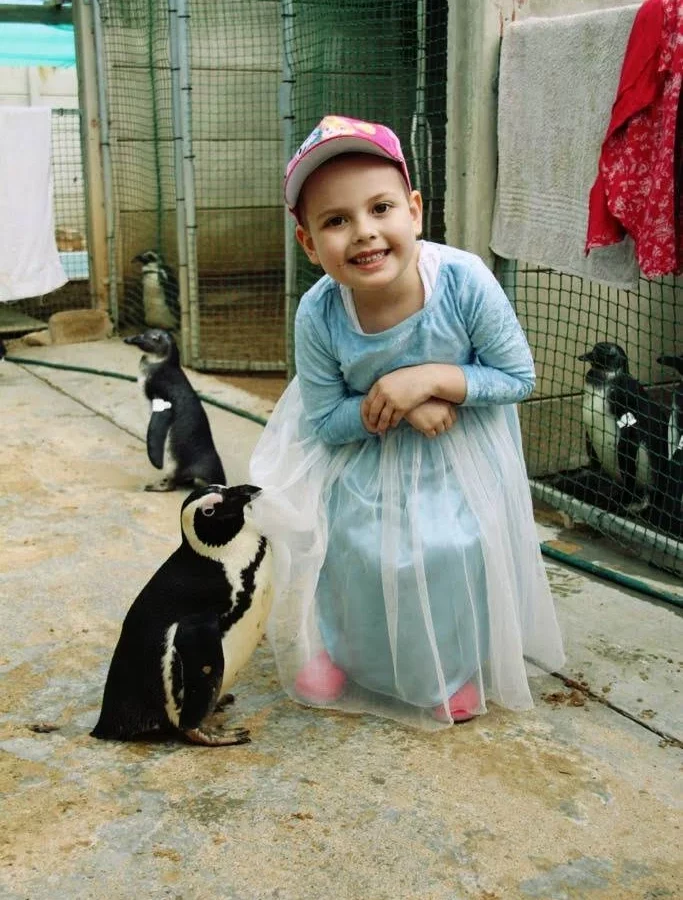
It’s hard to imagine our coastlines without their familiar waddle and call, and it’s heartbreaking to think about a future where my grandchildren might only see penguins on screens or in captivity. These remarkable birds face enormous pressures from overfishing, pollution, and climate change, but there’s still hope if we act now.
Our Earth Legacy Team is taking action today, and you can too. It’s not too late to make a difference and help ensure that wild penguins remain part of our natural world.
How You Can Help Protect Wild African Penguins from the Brink of Extinction
-
Voice Your Concerns to Government Leaders
African Penguins Not On Our Watch makes it easy to contact South Africa’s Minister of Forestry, Fisheries, and the Environment, Dr Dion George, urging stronger conservation measures.
Add your voice here: Email the Minister -
Sign the Petition for Penguin Conservation
SANCCOB, BirdLife South Africa, and Blue Marine Foundation have a petition demanding action to protect African penguins.
Show your support by signing here: Save the African Penguins -
Make Informed Seafood Choices
Choosing sustainably sourced seafood helps reduce pressure on the penguin’s primary food sources. Consult seafood guides like SASSI, look for eco-certifications, and choose only pole and line or handline-caught fish, to make more penguin-friendly seafood choices.
-
Support Coastal Conservation Groups
Rehabilitation centres, like SANCCOB and Mossel Bay’s SAPREC, are doing incredible work to save injured penguins and seabirds. They need our help – consider a donation or following their cause.
-
Spread Awareness
Share this message with friends, family, and your social media networks to rally even more support. The more people who know about this crisis, the stronger our joint response will be.
Our collective actions, no matter how small, can make a big difference. Thank you for helping give African penguins a fighting chance for survival.
With hope,
Esther Jacobs
Project Director, Earth Legacy Foundation
More News

Press Release: Teen Swimmer Announces Second Extreme Ocean Crossing to Pressure Government on Shark Protection

Press Release: One Step Closer to Shark Protection After 22km Swim for Sharks Highlights “Eerie Silence” in Mossel Bay

Guest article: Shark Nets Threaten Dolphins

Press Release: South African Coalition Calls for End to Shark Culling in KZN

500 Learners. 50kg of Litter. One Powerful Programme.
